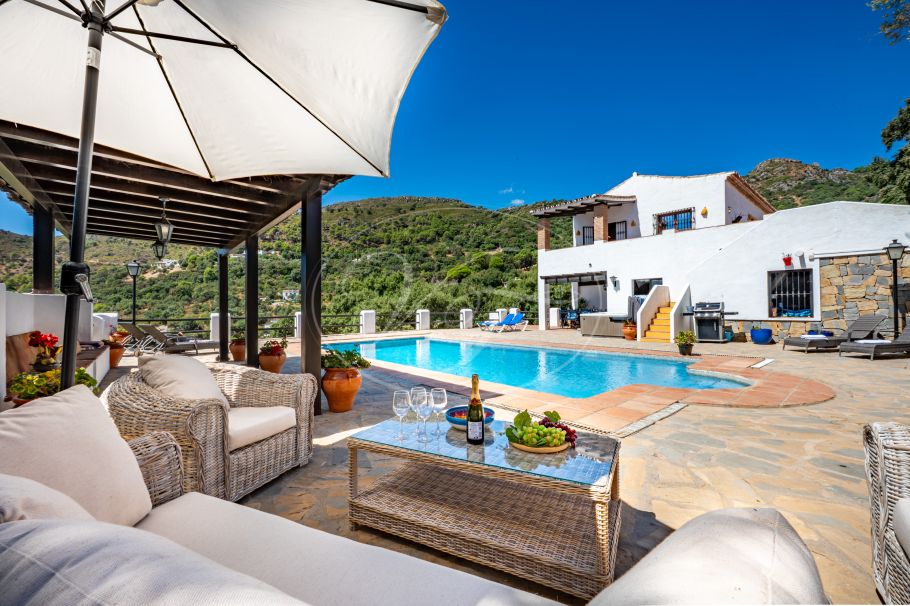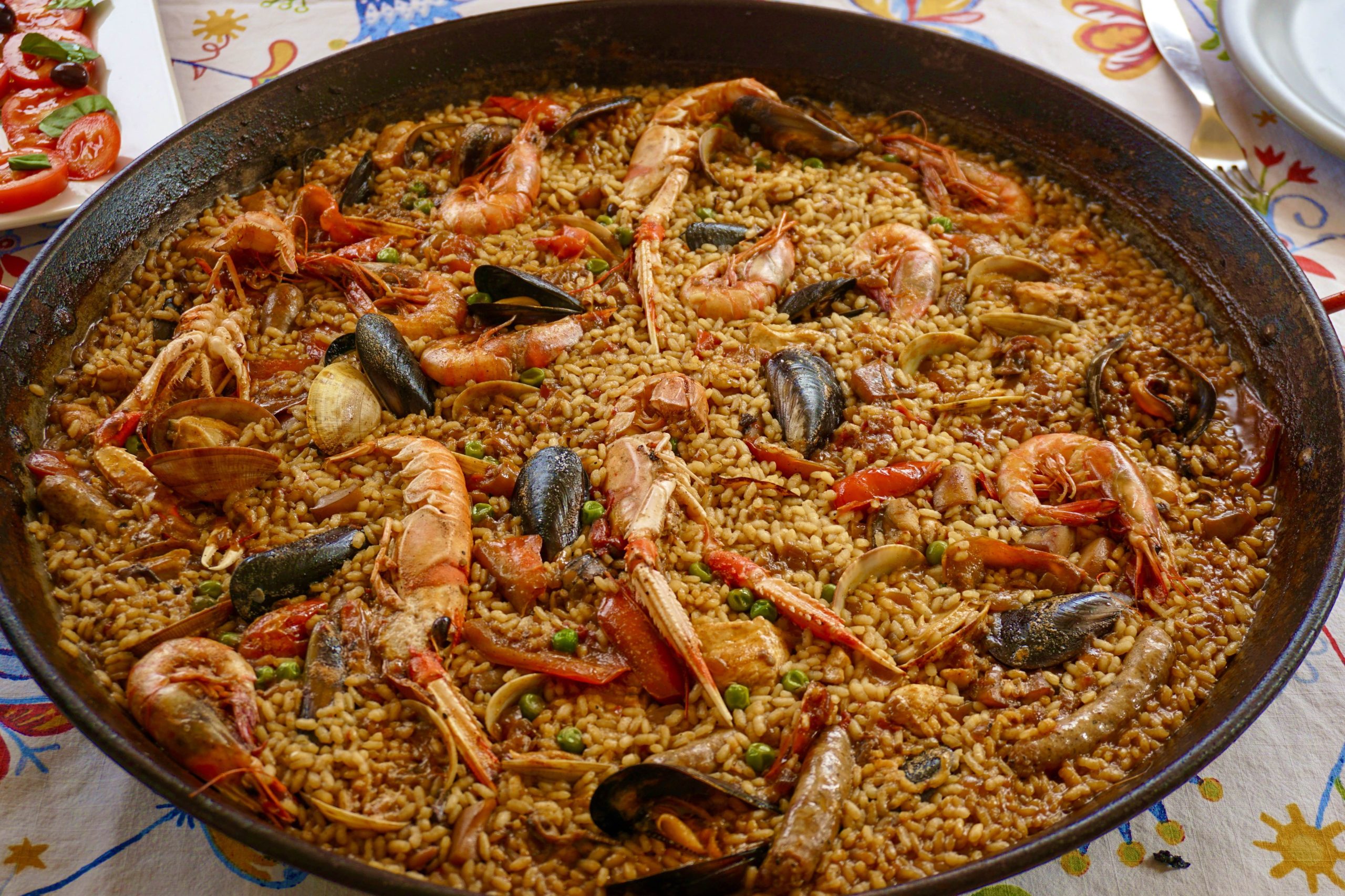
What could be more Spanish than a paella day with friends and family? It’s not just about the food, but also about spending time with loved ones. But did you know that this much-loved dish has rather humble beginnings? Every year on 20 September, International Paella Day celebrates one of Spain’s most famous culinary exports. And while paella is now enjoyed all over the world, its story begins in one very particular corner of Valencia: l’Albufera.
From the Fields of Valencia
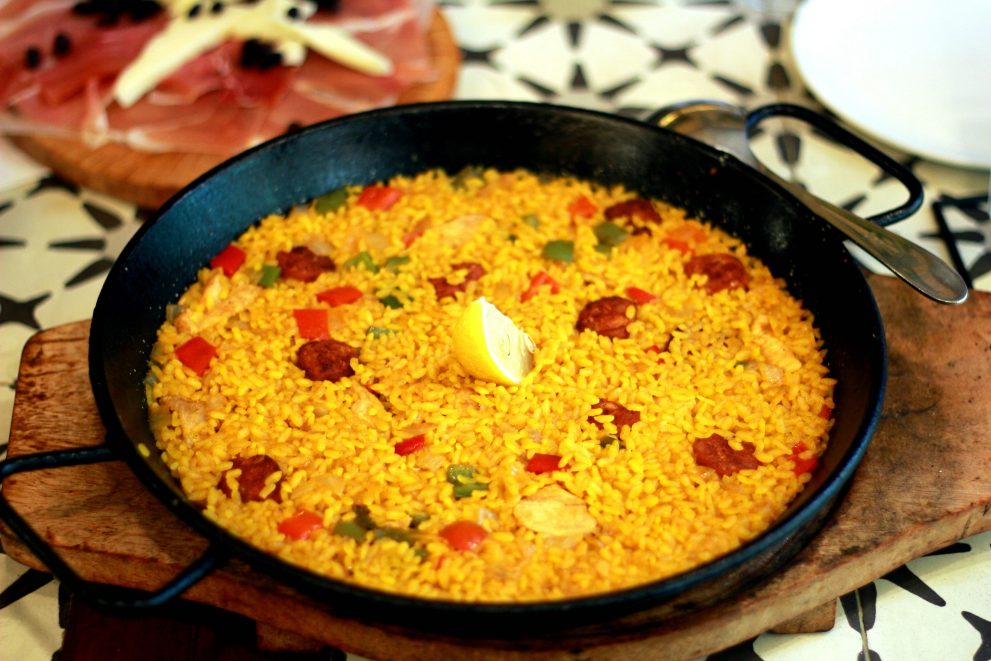
A paella used to be a simple, practical meal prepared by farmers and workers in the countryside surrounding Valencia. The fertile wetlands of l’Albufera were perfect for growing rice, and the local landscape provided much of what was needed for a filling meal: rice, vegetables, rabbit, poultry and, depending on the area, other local ingredients. It was the perfect dish to make the best out of the crops and protein they could find on the land they worked on. It’s also not season dependent, the ingredients are easily interchangeable!
The earliest written references to paella date from the 18th century, although the dish is thought to have developed earlier. In those days, it was less about following a strict recipe and more about making a satisfying meal from whatever was available. And then there is the name itself. Paella is the Valencian word for the wide, shallow pan in which the dish is cooked, derived from the Latin patella, meaning a large metal dish or plate. In other words, the dish takes its name from the very pan that made it possible.
Some people also like to imagine that the word paella derives from the two words para and ella, meaning “for” and “her.” Nowadays, it is often the men who take on the task of cooking paella, which has inspired a rather romantic story: that paella was traditionally a dish prepared by a man for his sweetheart. It is certainly a lovely story to tell… which one do you believe?
From Humble Meal to Spanish Icon
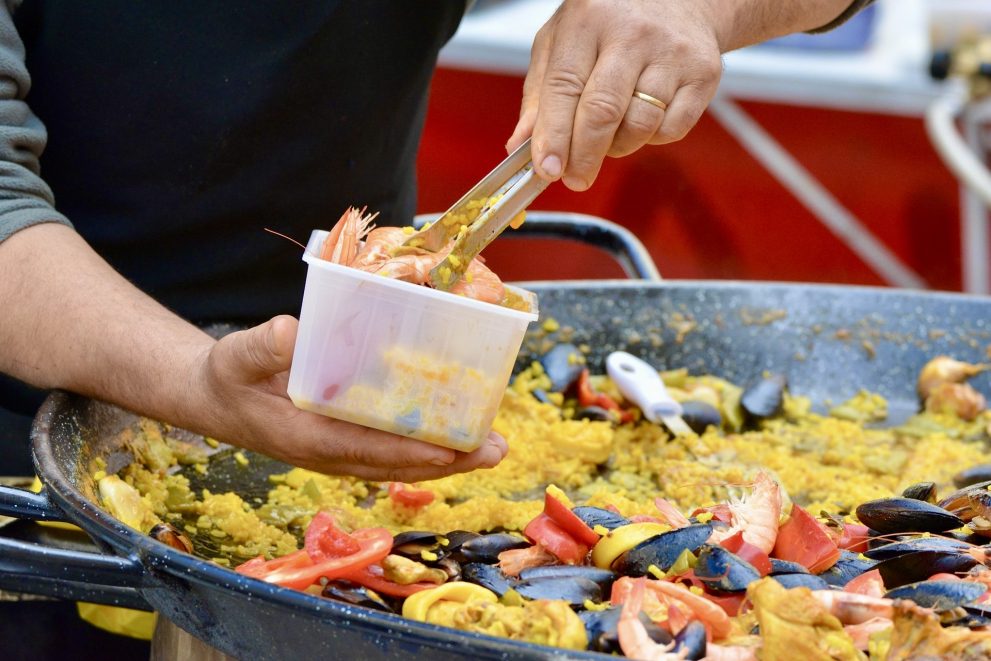
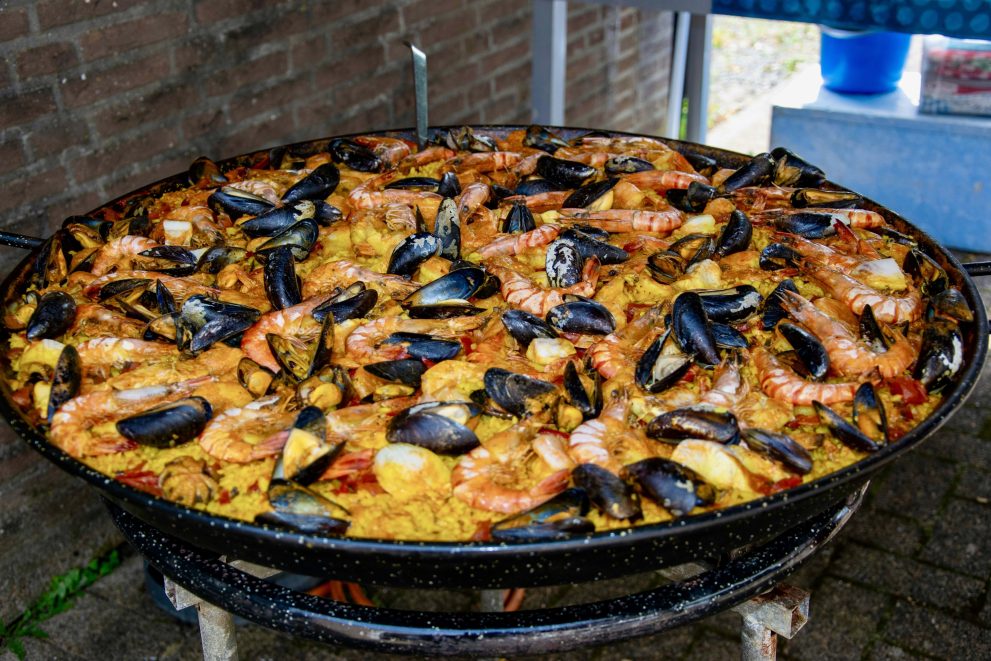
During the 19th century, paella gradually moved beyond the countryside and became part of everyday life in Valencia. It was increasingly associated with family gatherings, celebrations and eating together. By the late 19th and early 20th centuries, it had begun appearing in restaurants and seaside dining spots, before Spain’s tourism boom in the 1960s helped introduce paella to visitors from around the world. Today, of course, there are countless interpretations. Seafood paella, vegetable paella and regional variations can be found everywhere. But the traditional Valencian version remains closely connected to its origins, with rice, chicken, rabbit and local vegetables.
More Than Just a Plate of Rice
Perhaps the most interesting thing about paella is that its importance goes beyond food. In 2021, the Valencian paella was officially recognised as Intangible Cultural Heritage, described as “the art of uniting and sharing”. Picture this: it’s a sunny Sunday afternoon, and you’re meeting your friends at someone’s casa de campo. The tables are covered with ingredients, all ready to be thrown into the pan. You grab a cold beer from the fridge and settle in for an afternoon of chatting and catching up. You hear the latest gossip from someone’s neighbour, all about the dance classes one of your friends has been taking, and stories from the holiday another friend has just returned from. There’s no rush, just good food, cold drinks, and plenty of conversation.
These moments are probably why International Paella Day feels like such a fitting celebration. From the rice fields of l’Albufera to tables around the world, paella has travelled a long way without losing its most important ingredient: bringing people together. So, this 20 September, why not gather a few friends, find a sunny spot and celebrate International Paella Day?
Contact
You can make paella days a weekly activity! Which is your favourite paella? Get in touch with us by leaving your contact details below! You can also send us an email to [email protected] or call/WhatsApp +34 608 577 696. We look forward to meeting you!
Michelle Ernstsen | 18th September 2026