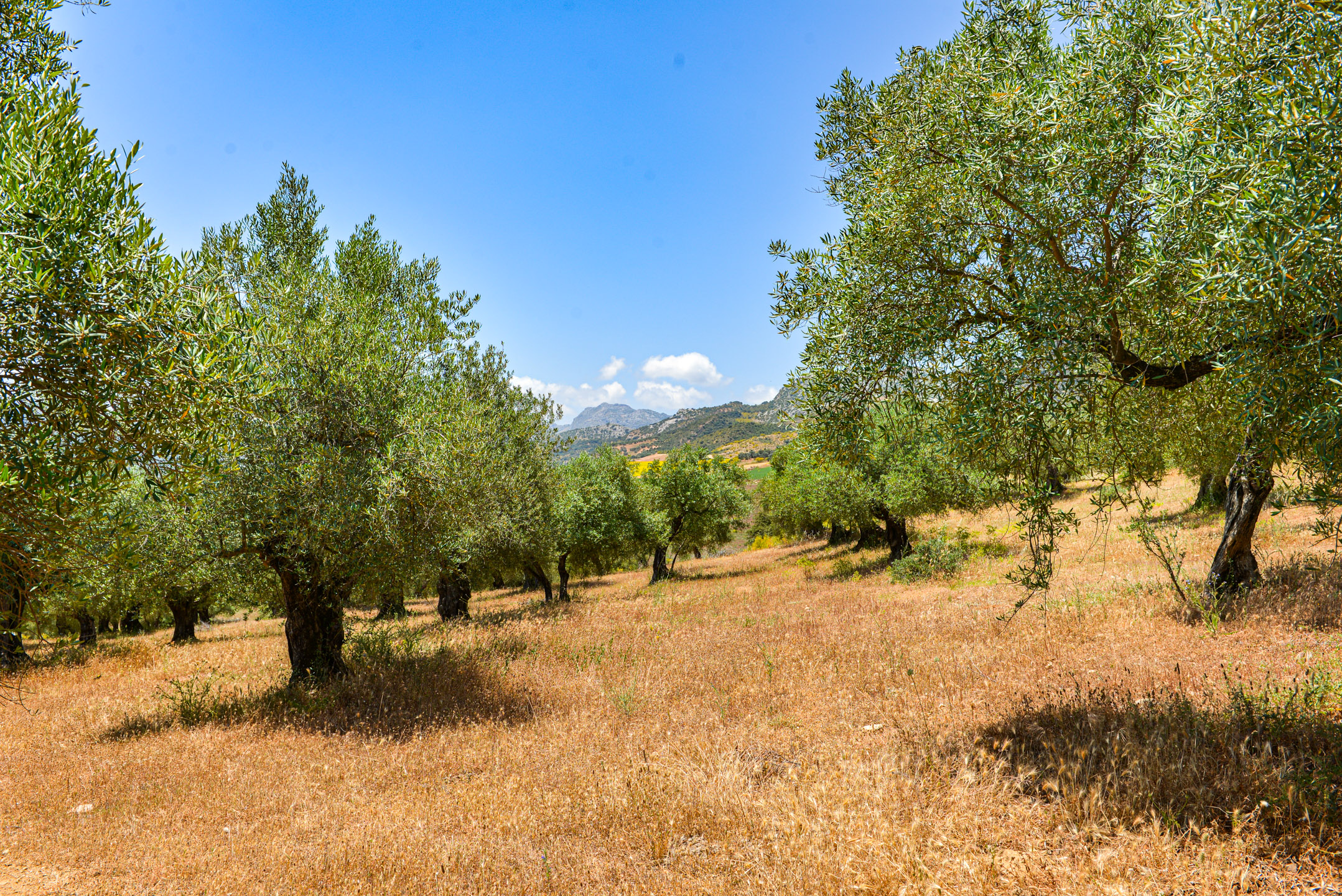
It’s one of the most exciting times of the year in Andalusia! The countryside is turning beautiful shades of green and brown, and something very special is happening across our beloved Andalusian countryside. The olive harvest is in full swing! But did you know that today, the 26th of November, is World Olive Tree Day? That’s right! A whole day dedicated to one of the most iconic trees of the Mediterranean and, of course, one of the greatest treasures of our region.
Why Do We Celebrate World Olive Tree Day?
World Olive Tree Day is celebrated every year on the 26th of November. It was officially proclaimed by UNESCO in 2019 to recognise the importance of the olive tree and its cultural, environmental and economic value. And we couldn’t agree more! The olive tree has been a symbol of peace, wisdom and prosperity for thousands of years. It is also one of the most recognisable symbols of Mediterranean life.
For us in Andalusia, however, we celebrate the olive trees almost every day. Especially the farmers in the countryside! After all, could you imagine our countryside without those beautiful silvery-green trees? Or an Andalusian breakfast without a generous drizzle of extra virgin olive oil? We certainly couldn’t!
A Little Bit of History: Where Do Olives Come From?
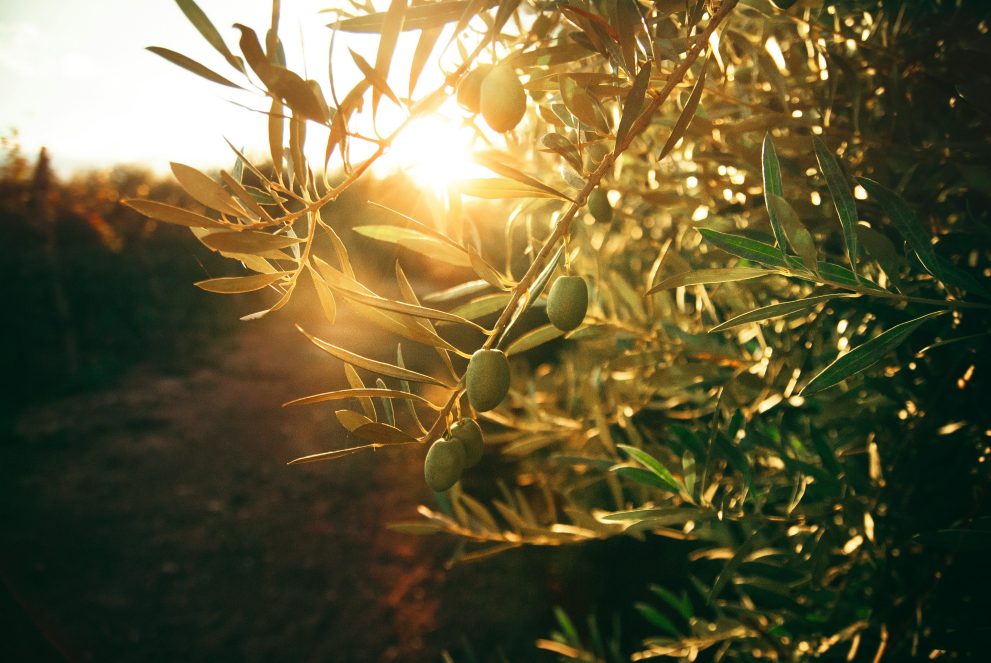
Believe it or not, olive trees have been around for thousands and thousands of years. The Phoenicians played an important role in spreading olive cultivation throughout the Mediterranean, bringing it to the Iberian Peninsula approximately 3,000 years ago. However, it was during the Roman Empire that olive growing really took off in southern Spain. The Romans recognised the extraordinary value of Andalusian olive oil and developed extensive plantations throughout the region.
In fact, the ancient Roman province of Hispania Baetica, which covered much of present-day Andalusia, became one of the Empire’s most important olive oil suppliers. Huge quantities of olive oil were transported from southern Spain to Rome. Later, during the Moorish period, olive cultivation continued to develop, with new agricultural techniques and irrigation systems helping to shape the Andalusian countryside we know today. Even the Spanish words for olive and oil, aceituna and aceite, come from Arabic! So, as you can see, the olive tree has been part of Andalusian life for a very, very long time; making world olive tree day very special for us.
Why Are There So Many Olive Trees in Spain?
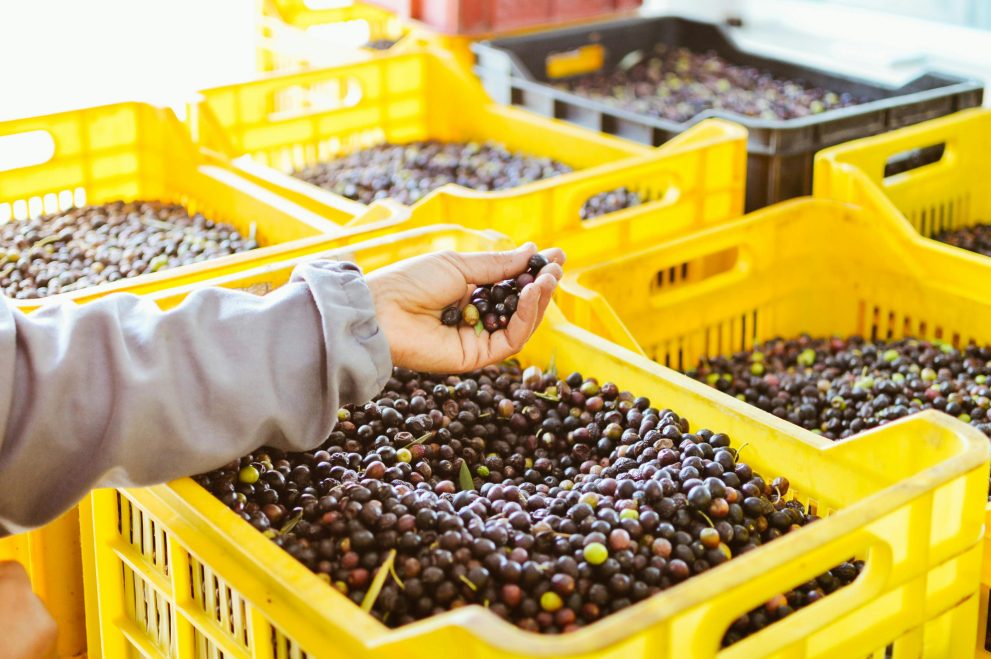
Have you ever driven through Andalusia and felt as though the olive trees never end? Well, there is a good reason for that! Spain is the world’s largest olive oil-producing country, and Andalusia is its most important olive-growing region.
But why does the olive tree thrive here so much? First of all, the Mediterranean climate is practically perfect. Olive trees love long, hot, dry summers and relatively mild winters. They are incredibly resilient and can survive in soils and landscapes where many other crops would struggle. They are also remarkably well adapted to periods of drought, making them particularly suitable for the Andalusian climate.
Secondly, there is the history. Olive cultivation has been passed down through generations of Spanish farmers. Over centuries, families have developed their own groves, knowledge and traditions, turning olive growing into one of the region’s most important agricultural activities. And finally, there is the demand! Olive oil is an essential part of Spanish gastronomy, and its international popularity has helped expand olive cultivation even further.
Today, Spain has millions of olive trees, and Andalusia is home to the largest concentration of them. In some parts of the region, you can even drive endlessly through the olive groves!
Where Are Most of Andalusia’s Olive Groves?
Although olive trees can be found throughout Andalusia, some provinces are particularly famous for their endless olive groves.
Jaen – The capital of olive oil
If there is one place you absolutely have to associate with olive oil, it is Jaen. This province is famous for its enormous olive-growing landscapes and is often called the world’s olive oil capital. Drive through Jaen and you will see olive trees stretching across hills and valleys as far as the eye can see. The province is particularly famous for the Picual olive variety, which produces a wonderfully robust and fruity olive oil.
Cordoba – A land of olive-growing traditions
Cordoba is another major olive-producing province. Its countryside is full of beautiful olive groves, particularly around the Guadalquivir Valley and the Campiña area. It is also home to the famous Hojiblanca and Picudo varieties, both of which produce excellent olive oils.
Granada and Malaga – Mountain landscapes and olive groves
Granada and Malaga also have extensive olive-growing areas. In Malaga, the Antequera region is particularly important, while the Axarquía is known for its traditional olive-growing landscapes. Granada, meanwhile, offers beautiful olive groves across its northern and western countryside.
In other words, wherever you travel in Andalusia, there is a good chance you will come across an olive grove!
The Olive Harvest: How Does It All Work?
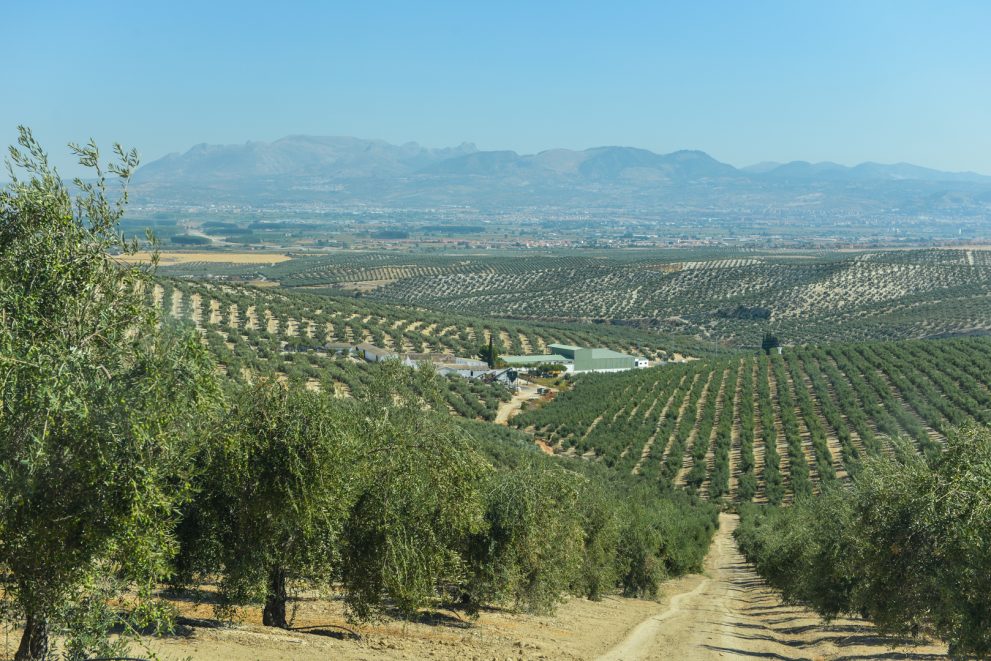
Now for the exciting part! The olive harvest is one of the most important moments of the agricultural calendar in Andalucía. Traditionally, the harvest takes place between autumn and winter, usually from October until January or even February, depending on the variety, location and desired ripeness. But how do farmers actually get those little olives from the trees?
1. Hand picking
The most traditional method is picking the olives by hand. It is a slow and labour-intensive process, but it allows farmers to select the fruit carefully and avoid unnecessary damage.
2. The traditional shaking method
Another traditional technique involves gently shaking or beating the branches with long poles so that the olives fall onto nets spread underneath the trees. These nets catch the olives and make collecting them much easier.
3. Mechanical harvesting
Nowadays, many farmers use modern machinery to speed things up. Special tractors with vibrating clamps shake the tree trunk or branches, causing the olives to fall onto collection systems. This method is much quicker and is particularly useful for large plantations.
And here is something interesting: the moment of harvesting makes a big difference to the final olive oil! Green olives, harvested earlier in the season, generally produce oils with more intense fruity, bitter and peppery characteristics, although the yield is lower. Riper olives tend to produce a milder oil and a greater quantity. Farmers carefully choose the perfect moment depending on the type of oil they want to produce. World Olive Tree Day celebrates the hard work of these farmers put into producing something so delicious!
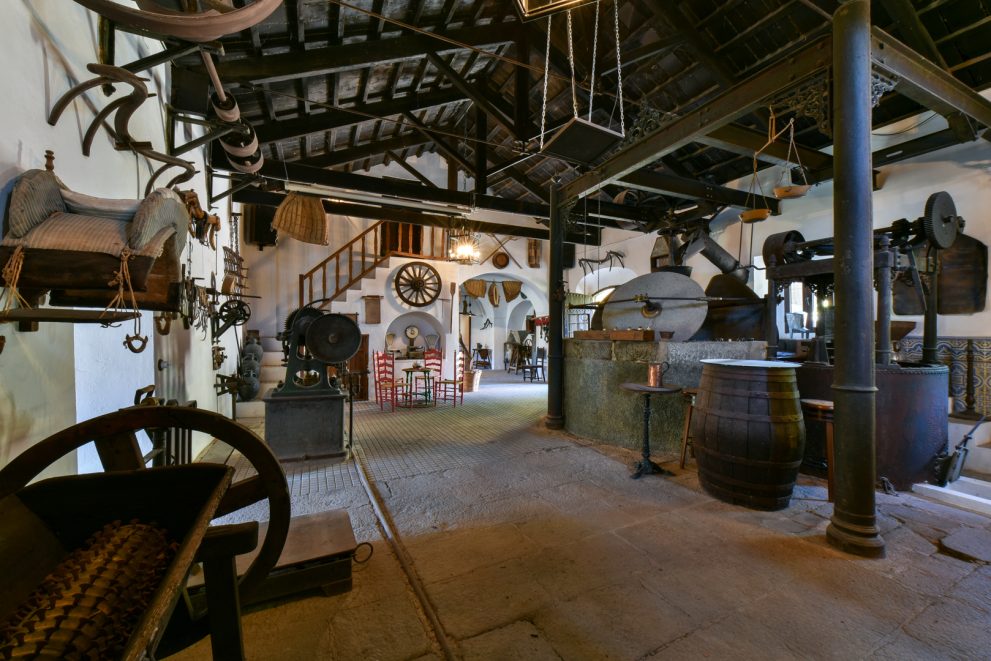
From Olive to Liquid Gold: How Is Olive Oil Made?
Once the olives have been harvested, the real magic begins! The olives are transported to an olive mill, known locally as an almazara. Here, they go through several stages before becoming the delicious extra virgin olive oil we all know and love. Take a look at the video below to see the process:
What Do Andalusians Actually Do With All That Olive Oil?
Well, the answer is simple: absolutely everything! Olive oil is not just an ingredient in Andalucía. It is part of everyday life.
- Breakfast: The famous pan con aceite. Breakfast is an important part of the day. Beteween 10AM and 11AM you’ll see the cafés filled with workers having their breakfast break. This means toast, with the delicious extra virgin olive oil accompanied by fresh grated tomato. It’s the perfect way to spend your morning!
- Cooking: The secret to Andalusian gastronomy. From frying fresh fish to preparing vegetables, stews and traditional dishes, olive oil is used in countless Andalusian recipes. It is also the foundation of some of Spain’s most famous dishes, including gazpacho and salmorejo.
- Dipping bread: A little Mediterranean pleasure. Now, this is an important part of any meal in Andalusia… whether you’re having lunch or dinner, there will always be a piece of fresh bread that you can dip into extra virgin olive oil. There is simply no better way to start your meal.
- Preserving olives and preparing tapas. Of course, we cannot forget the olives themselves! Green olives, black olives, Gordal olives, Manzanilla olives… there are so many varieties. They are often marinated with garlic, herbs, lemon, orange peel or spices and served as a delicious tapa alongside a drink. Olives are basically used everywhere!
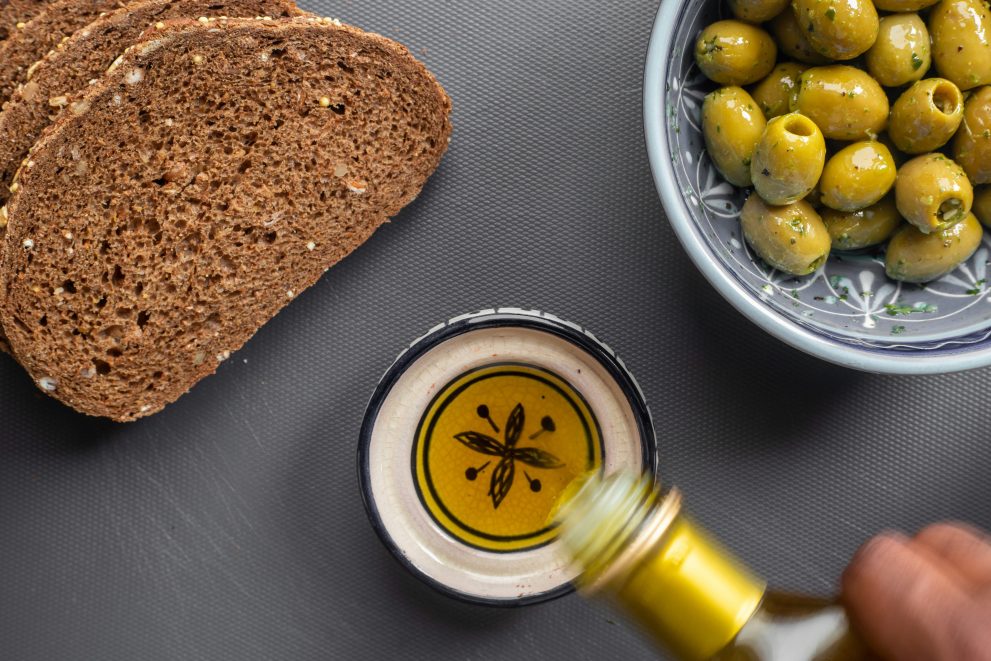
A Little Piece of Andalusia In Every Drop
As you can see, the olive tree is much more than just an agricultural crop. It is a symbol of Andalusia, a connection to our past and an essential part of our everyday lives. From the ancient Phoenicians and Romans to today’s hardworking farmers, generations of people have helped preserve this wonderful tradition.
So, next time you sit down for breakfast and drizzle some golden olive oil over a slice of toasted bread, take a moment to appreciate everything behind it: the beautiful countryside, the centuries of history and the hard work of the farmers who make it possible.
Contact
If you happen to be in Andalusia during the olive harvest, why not take a drive through the countryside and see those magnificent groves for yourself? Or, if you’re interested in having your own olive grove, reach out to us and we’ll help you find your dream project! You can send us an email to [email protected] or call/WhatsApp +34 608 577 696. Or leave your contact details below:
Michelle Ernstsen | 26th November 2026